

When Queues Become Marketing Campaign
Let’s be honest: The idea that people in 2025 would line up for hours sounds completely counter-intuitive: Why would people line up for hours sometimes overnight just to enter a store? Yet, for brands like Sephora, Space NK and Apple, this isn’t a logistical failure; it’s strategy. The queues have become a marketing asset; a visible performance of anticipation, exclusivity and belonging. The queue itself is now part of the brand experience. This situation can be related with certain even like Black Friday, but unlike US, UK have less queue and probability for people to queue as early as 2am in the morning is lesser than in the US. Read more Black Friday sensation
Experiential marketing theorists such as Smilansky (2009) and Smith & Hanover (2016) call this interaction as exchange, where value is co-created through live, sensory and emotional engagement between brand and audience. What’s happening outside Sephora, Apple and Space NK stores is not simply waiting its participation in a brand ritual.
Retailtainment: Shopping as Spectacle
This phenomenon fits perfectly within what Batat (2021) calls the rise of Retailtainment, the powerful fusion of retail and entertainment. Smilansky (2009) used this term early on to describe how physical spaces could evolve into theatres of experience. In the age of online convenience, brands no longer win by being faster or cheaper. They win by turning shopping into social theatre: a multisensory event where people watch, film, post and perform.
- Sephora’s queues are not merely tolerated; they are choreographed.
- Space NK’s velvet-roped openings aren’t obstacles; they are invitations to enter an exclusive experience.
This shift is crucial: The queue is where the digital buzz becomes physical reality.
Case Study 1: The Queue at Sephora: The Hype is Real
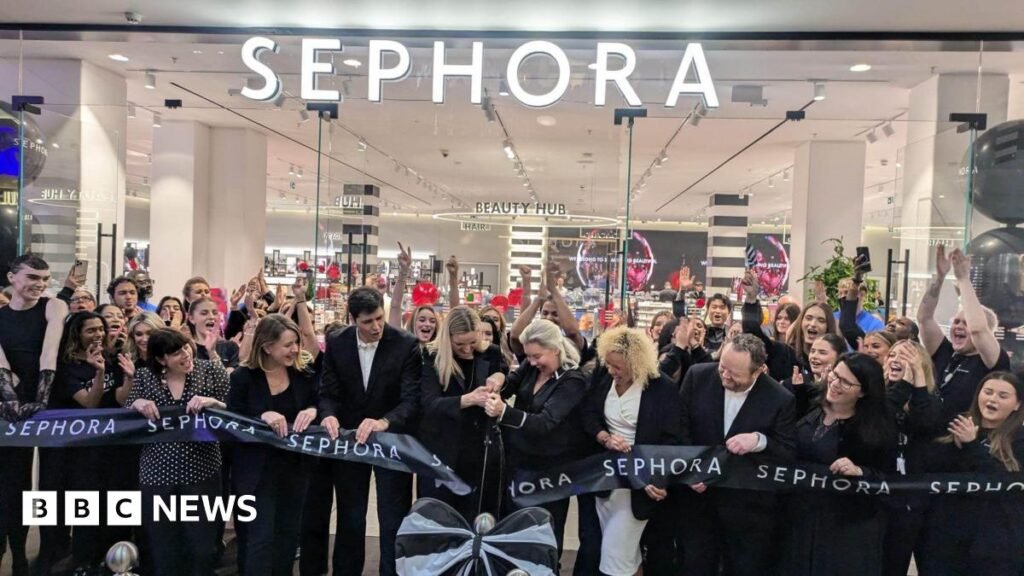
Sephora’s re-entry into the UK market was more than a store opening; it was a cultural event. Described by Fashion Network as the return of the “mothership of the modern-day beauty industry,” their July 2025 flagship opening at Meadowhall, Sheffield, perfectly illustrates the power of Retailtainment.
More than 1,000 beauty fans queued overnight (Yorkshire Post, 2025). As one shopper put it: “It’s like a beauty theme-park… I’ll queue for however long it takes.” This is the gold standard of brand devotion.
The Strategic Playbook: Weaponizing Anticipation
Sephora didn’t just open a store; they engineered a shareable festival of anticipation. They strategically deployed classic behavioral triggers to build a genuine “queue festival.”
- The Lure: Engineering Scarcity & Desire The initial pull was simple yet effective: free goodie bags for the first 500 entrants. This is a textbook example of a scarcity trigger, creating urgency and making the investment of time worthwhile. This limited offer fueled the queue, transforming waiting from a chore into a rewarded effort.
- The Vibe: Experience as the Product Sephora understood that the wait had to be part of the show. Live DJs, entertainment, and a vibrant, overnight camping atmosphere blurred the line between retail and a rave. For attendees, waiting became a shared ritual that conferred belonging. As Smith & Hanover (2016) argue, brands achieve true emotional resonance through live experiences people can inhabit. Sephora’s queue became its stage.
- The Win: Converting Dopamine into Social Proof Neuroscience confirms that anticipation releases dopamine (Zaltman, 2016) – the neurotransmitter of desire. Sephora expertly weaponized this psychological effect, transforming the high anticipation into public social proof.
- Massive Social Buzz: Influencers and beauty creators documented every moment on TikTok and Instagram from the queue itself.
- The Content Engine: This User-Generated Content (UGC) boosted digital reach and transformed the opening into a live spectacle of brand devotion.
The Ultimate Payoff: Experience-to-Equity Conversion
The success of the event wasn’t measured just in first-day sales, but in its digital afterlife. The After-Effect was a viral social media narrative built on the emotional core: “I was there!” This emotional narrative extended the brand’s reach far beyond the attendees, sustaining word-of-mouth momentum and post-launch footfall. From a marketing-ROI perspective, this is a prime example of experience-to-equity conversion (Davis, 2018): the transformation of live engagement into measurable brand equity. Every shared post became a micro-advertisement seeded by real emotion.
OTINGA Insight: Sephora didn’t just sell beauty products; they sold status, community, and the thrill of being an early adopter. They proved that in the modern retail landscape, the most effective marketing isn’t an ad campaign – it’s a compelling experience people are proud to wait for.
Case study 2: Space NK – The Emerging Trend Queues as Strategy
What sets Sephora and Space NK apart from traditional retail openings is their intentional creation of a different kind of queue culture: Luxury Minimalism.
| Brand | Location(s) | Highlights of Queue Strategy |
| Sephora UK | Meadowhall (Sheffield), Bluewater, Bullring | Free goodie bags for first entrants, DJs, “festival” atmosphere, influencer-friendly environment |
| Space NK | London, Manchester, Edinburgh | Luxury-infused ambience, VIP queue lanes, sensory retail design, influencer pre-openings |
While Sephora thrives on volume and visibility, Space NK plays the opposite game: quiet luxury. Its openings are less carnival, more couture.
- Lead-in hype: social teasers, countdowns, influencer collaborations
- The Luxury Queue: Their lines are shorter, signaling prestige. Instead of tents, you get velvet ropes and subtle scent diffusers. The waiting experience mirrors the brand’s identity: refined, sensory, and aspirational – creating social media spectacle
- Exclusivity: Space NK features VIP lines and influencer “first entry” invites, creating a visible status ladder that enhances exclusivity and desire (first-look privileges) (Batat, 2021).
- Shared experience: waiting becomes part of the event
- Amplification: user-generated content multiplies reach organically
Both brands use the queue, one loud, one quiet to trigger the same powerful emotional connection. In experiential marketing terms, the queue has become a designed touchpoint a physical representation of digital buzz.
Applying Batat’s 7Es Framework
- Experience: Multi-sensory ambience
- Exchange: Personalised sampling and consultation
- Engagement: Live tutorials and Q&A with experts
- Emotion: Serenity, sophistication, aspiration
- Empathy: Understanding the modern luxury consumer’s craving for calm
- Exclusivity: Invitation-only previews
- Equity: Deepened brand trust and loyalty
Where Sephora generates buzz, Space NK cultivates whispered desirability. Both use the queue, loud or quiet to trigger emotional connection.
The Global Benchmark: Apple’s Ritual – why waiting sells
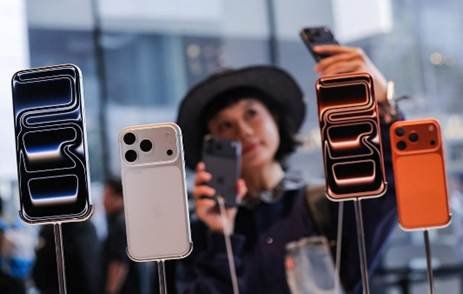
This phenomenon isn’t limited to beauty. Every September, the Apple iPhone launch proves the global power of queue-as-marketing. The launch of the iPhone 17 Pro in 2025 once again saw thousands queuing globally from London to Tokyo, Sydney, New York etc (BBC, 2025).
The question is Why they wait when you can pre-order online? Because Apple has mastered turning product launches purchase into rituals.
- Social Proof: The long line signals the iPhone’s cultural status.
- Identity: Apple isn’t just a tech brand it’s a lifestyle badge.
- The Psychology of Belonging Apple transforms a simple tech purchase into a badge of belonging to a tribe of early adopters. As Smilansky (2009) notes, great experiences satisfy psychological needs like belonging, pride, and participation. The queue isn’t a line; it’s a social spectacle where belonging replaces discounting as the primary motivator. OTINGA Insight: “Apple doesn’t sell phones. It sells first-ness.” The launch day itself becomes a meticulously choreographed ceremony (Batat, 2021):
- The Theatre: Staff clap for the first buyers as doors open.
- The Content: Fans record live unboxing videos and cheer the countdown and documenting the experience.
This embodies Exclusivity and Emotion, creating limited access that feels transcendent.
- The Anticipation Loop & Commercial Payoff Apple strategically weaponizes anticipation – controlled leaks, keynote countdowns, and influencer “first look” videos to extend emotional engagement before the sale. Anticipation, as the research shows, releases dopamine. This system of emotional design delivers staggering commercial results:
- Scarcity and Exclusivity: Early buyers get to say “I got it first.” iPhone 17 Pro preorders sold out within 15 minutes in the UK (Apple Insider, 2025).
- Digital Reach: The campaign generated massive social amplification: over 500 million views on TikTok for #iPhone17ProLaunch, with over 40% of launch-day buyers posting on social media.
- Experience as Currency Apple’s consistency proves that experiential branding is a sustained system. Every year, anticipation renews loyalty without needing price wars. OTINGA Insight: “In the experience economy, queues are the new billboards.”
Why Queueing Works: The Psychology That Turns a Line into Gold
In the age of instant gratification, why do thousands of consumers still choose to wait in line for hours for a new product launch? The answer is simple: The queue is the campaign. For master marketers like Apple, Sephora, and Space NK, the line isn’t a nuisance—it’s a sophisticated, open-air laboratory for human psychology. They’re not waiting for a product; they’re waiting for a psychological payoff.
Here is the OTINGA breakdown of the six core psychological levers that make the queue the most valuable real estate in retail today.
- Social Proof & Scarcity Cultural historian Joe Moran perfectly captures it: “We tend to like things because other people like them … a queue is just a visible manifestation of that value (Moran, 2024).” When people see a long line, their brains instantly register two powerful triggers:
- Value if others are investing time, it must be worth it.
- Scarcity. The product or experience must be limited.
By making this desire visible, brands transform simple curiosity into urgent, collective desire.
- Identity & Belonging For Gen Z and younger millennials, the queue isn’t a nuisance, it’s a badge of belonging. Posting from the line signals membership in a tribe that “gets it.” Being there physically affirms loyalty and confers status. This aligns perfectly with Batat’s (2021) 7Es experiential framework, where Engagement, Emotion, and Exclusivity shape meaning. Waiting in line becomes a shared emotional space – a physical manifestation of community.
- Anticipation: The Dopamine Hit The emotional build-up before an event is the “emotional ignition point” for lasting memory (Smith & Hanover, 2016). Neuroscience confirms that anticipation releases dopamine (Zaltman, 2016). Sephora, SpaceNK and Apple weaponise this dopamine hit, using the queue as a neuromarketing amplifier to heighten expectation. Thousands film themselves in line, turning that shared emotional energy into valuable, free advertising.
- Experience > Transaction Sephora’s queues aren’t queues for products; they’re queues for moments. Smilansky (2009) calls this “brand exchange” – where consumers co-create experience through participation. The line is transformed into an open-air stage complete with music, conversations, influencers, and spontaneous giveaways. The crucial takeaway? Even those who buy nothing still become part of the brand’s story, amplifying reach through their social channels.
- Signalling & Brand Memory The queue signals a brand’s cultural gravity. As Smith & Hanover (2016) explain, “Live brand experiences generate emotional resonance that endures far beyond the event itself.” When hundreds of customers film themselves waiting, tagging, and cheering as doors open, they encode emotional memory. That highly charged memory later converts into long-term loyalty and advocacy – the holy grail of modern marketing.
- The ROI of Emotion: Participatory Amplification According to Davis (2018), event ROI is not measured solely by sales, but by “the emotional afterglow” the increase in social mentions, brand searches, and follow-on engagement. This is Smilansky’s (2009) concept of participatory amplification in action: the consumer becomes the medium. Following its UK openings, Sephora witnessed a staggering payoff:
- A 480 % spike in UK Google searches.
- #SephoraUK trending on TikTok for three consecutive days.
- Queue videos collectively generating over 15 million views collectively (RetailCustomerExperience, 2024).
The pioneers of this modern queue theatre were Apple, and today’s brands are simply perfecting that ritualized launch strategy. The moment of waiting is, in fact, the most valuable part of the product launch.
What experience could your brand create that people would queue for? Start thinking less about inventory and more about investing in memory.